

Thinking About Porcelain Veneers? Here’s What Toronto Patients Should Know First
Picture this.
You’re walking through downtown Toronto—maybe along Queen Street, grabbing coffee near Yonge and Dundas, or heading into work. Someone smiles at you and you notice something immediately: their teeth look bright, balanced, and natural.
Not “movie-star fake.”
Just… confident.
That’s often the result of porcelain veneers.
Across Toronto, cosmetic dentistry has become increasingly popular as more people look for subtle ways to improve their smiles. But here’s something many patients don’t realize: porcelain veneers aren’t the right choice for everyone.
For some people, they’re a fantastic long-term solution. For others, they might not be the best option at all.
So before jumping into treatment, it’s worth understanding:
- What porcelain veneers actually are
- Who they work best for
- Who should avoid them
- The pros and potential downsides
- Answers to the most common questions people ask online
Let’s break it down in a clear, practical way.
What Are Porcelain Veneers?
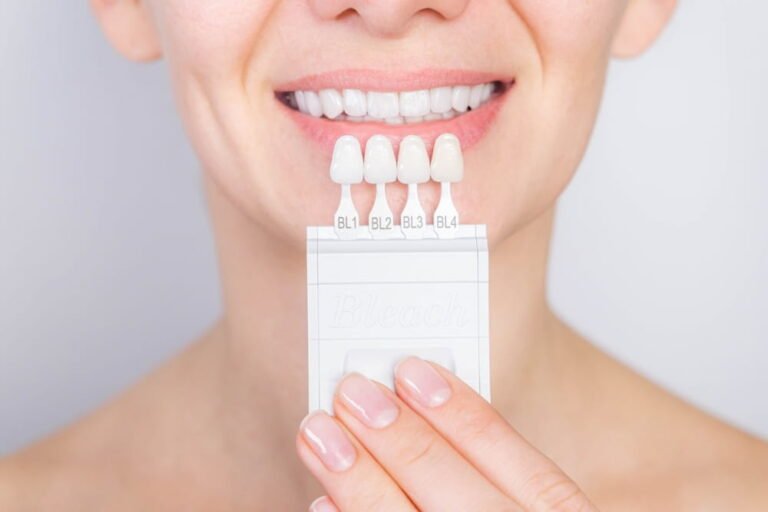
Porcelain veneers are thin, custom-made ceramic shells that are bonded to the front surface of your teeth.
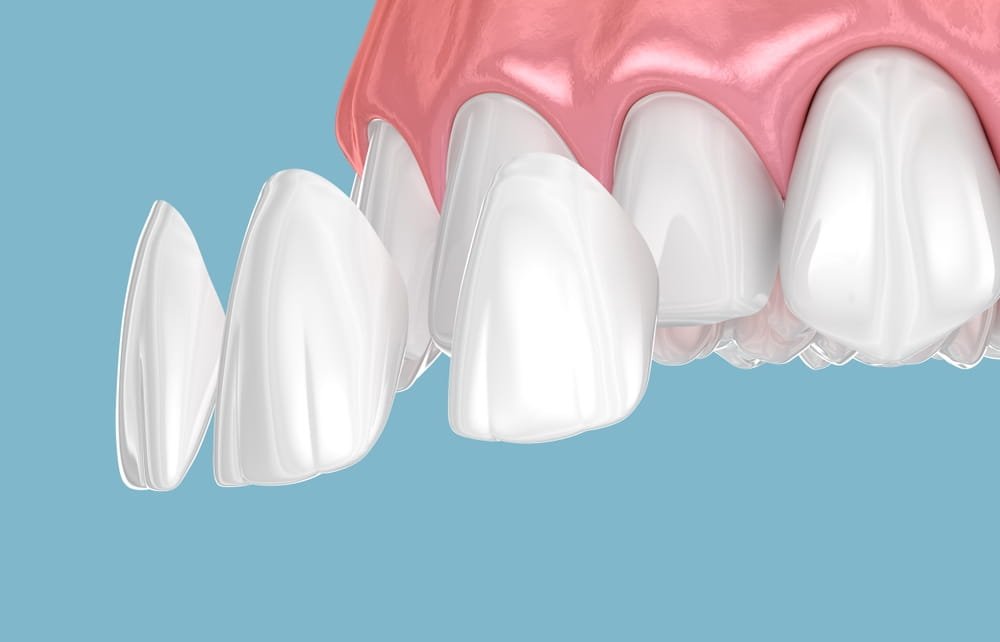
Their goal is primarily cosmetic—to improve the appearance of teeth by correcting things like:
- Tooth discoloration
- Small chips or cracks
- Slight misalignment
- Uneven tooth shapes
- Small gaps between teeth
Each veneer is carefully crafted in a dental lab to match your natural smile.
Once placed, they blend seamlessly with surrounding teeth—one of the reasons porcelain veneers veneers treatments have become so popular in modern cosmetic dentistry.
Research published in the Journal of Functional Biomaterials shows porcelain veneers have high long-term survival rates—often between 91% and 100% over many years when properly placed and maintained.
That’s excellent durability for a cosmetic dental procedure.
However, there’s an important detail patients should know.
Before veneers are placed, dentists typically remove a very thin layer of enamel (about 0.3–0.7 mm) so the veneers sit naturally on the teeth.
Because enamel doesn’t grow back, the procedure is considered permanent.
Why Porcelain Veneers Are So Popular
In cities like Toronto—where people care about professional presentation and confidence—veneers have become one of the most requested cosmetic dental procedures.
Here’s why.
1. Immediate Smile Transformation
Unlike orthodontics, which can take months or years, veneers can dramatically improve a smile in just a couple of dental visits.
For many patients, the difference is noticeable right away.
2. Natural-Looking Results
Modern dental ceramics are designed to mimic the translucency and light reflection of natural enamel.
When done properly, porcelain veneers don’t look artificial—they simply make teeth appear healthier and more balanced.
3. Strong Stain Resistance
Porcelain is highly resistant to stains.
That means coffee, tea, or red wine—common staples for many Torontonians—are much less likely to discolour veneers compared to natural teeth.
4. Long Lifespan
Studies show porcelain veneers can last 10 to 15 years or longer with proper care and regular dental checkups.
This makes them a long-term cosmetic investment rather than a short-term fix.
5. Subtle Cosmetic Improvements
Many Toronto dentists focus on natural-looking cosmetic dentistry, which means veneers are designed to enhance—not completely change—your smile.
The best veneers are often the ones nobody notices.
Who Porcelain Veneers Are Best For
Now let’s talk about who benefits most from porcelain veneers.
1. People With Severe Tooth Discoloration
Some stains simply don’t respond to whitening treatments.
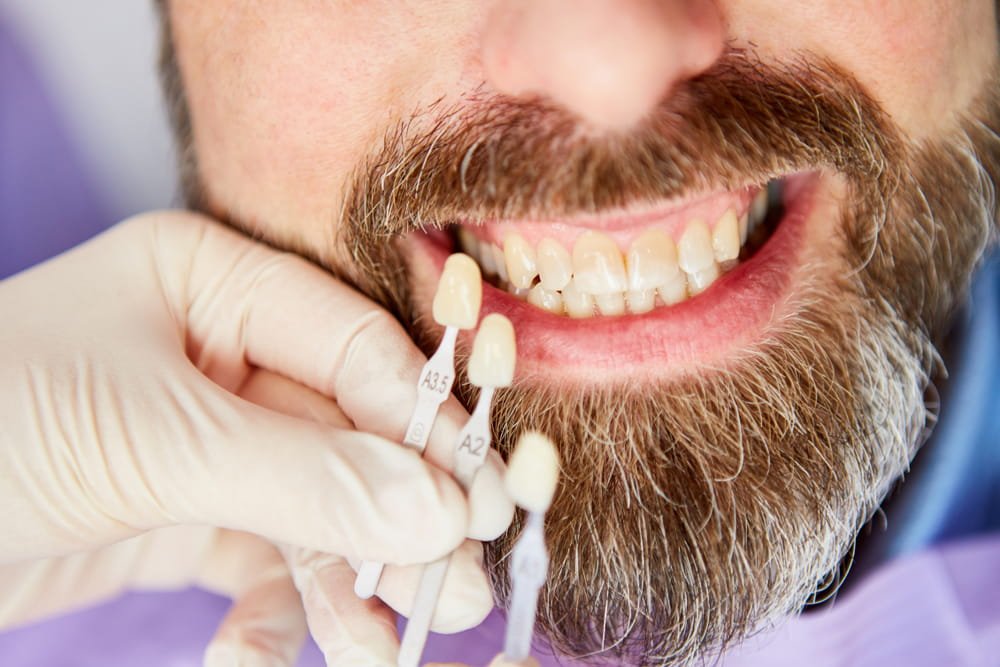
These include stains caused by:
- Tetracycline antibiotics
- Fluorosis
- Tooth trauma
- Aging enamel
Because veneers cover the entire front surface of the tooth, they can completely mask these types of stains.
2. Patients With Minor Cosmetic Imperfections
Porcelain veneers veneers treatments are ideal for fixing small aesthetic issues, such as:
- Slightly crooked teeth
- Minor chips
- Small gaps
- Uneven tooth edges
They are not meant to fix major structural problems, but they work extremely well for subtle cosmetic improvements.
3. People With Worn Teeth
Over time, teeth can wear down due to:
- Natural aging
- Acid erosion
- Teeth grinding
Veneers restore length and shape to worn teeth while strengthening their outer surface.
4. Patients Wanting a Long-Term Smile Upgrade
Some people simply want their smile to look better for the long run.
Porcelain veneers are often part of a complete smile makeover, especially when several teeth are treated together.
Who Should Avoid Porcelain Veneers
Despite their benefits, veneers aren’t suitable for everyone.
Here are some situations where dentists may recommend other treatments.
1. People With Gum Disease
Healthy gums are essential before cosmetic work.
If someone has:
- Gingivitis
- Periodontal disease
- Significant gum recession
Those issues must be treated first.
Placing veneers on unhealthy teeth can lead to complications.
2. Patients With Large Cavities or Weak Teeth
If a tooth has extensive decay or damage, a dental crown may be more appropriate than a veneer.
Veneers require a strong underlying tooth structure.
3. People Who Grind Their Teeth
Teeth grinding (also called bruxism) puts excessive pressure on veneers.
Research published in Clinical Oral Investigations suggests strong bite forces can increase the risk of veneer fracture.
Patients who grind their teeth can still receive veneers—but dentists usually recommend wearing a night guard to protect them.
4. People Expecting Unrealistic Results
Sometimes the biggest issue isn’t dental—it’s expectations.
Veneers should look natural.
They shouldn’t look overly bright or artificial.
Good cosmetic dentistry focuses on balance and harmony with facial features, not a “Hollywood smile” that looks out of place.
Potential Risks of Porcelain Veneers
While veneers are considered safe and predictable, there are a few risks patients should understand.
1. The Procedure Is Permanent
Because enamel is removed, veneers cannot simply be reversed.
Patients who get veneers will need them maintained or replaced over time.
2. Temporary Tooth Sensitivity
Some people experience sensitivity to hot or cold foods after veneer placement.

This usually improves within a few weeks.
3. Veneers Can Chip or Crack
Although porcelain is strong, it’s not indestructible.
Biting hard objects like ice or using teeth to open packaging can damage veneers.
4. Oral Hygiene Still Matters
The tooth beneath the veneer remains alive.
Poor brushing and flossing can still lead to cavities or gum problems around veneers.
People Also Ask: Common Questions About Porcelain Veneers
Are porcelain veneers bad for your teeth?
No—when placed by an experienced dentist, porcelain veneers are safe.
However, because enamel is removed during preparation, the procedure is considered permanent.
How long do porcelain veneers last?
Most porcelain veneers last 10–15 years, and many last longer with proper dental care.
Regular dental visits and good oral hygiene help maximize their lifespan.
Can porcelain veneers fall off?
It’s uncommon, but veneers can detach if bonding fails or excessive force is applied.
Dentists can usually re-bond or replace them.
Do porcelain veneers look natural?
Yes—when designed properly.
Modern veneers are crafted to match natural tooth colour, shape, and translucency.
The goal is enhancement, not an obvious cosmetic change.
Are porcelain veneers painful?
The procedure is typically comfortable.
Dentists use local anesthesia during preparation, and most patients report only mild sensitivity afterward.
The Future of Veneers in Cosmetic Dentistry
Cosmetic dentistry continues to evolve quickly.
New technologies like:
- Digital smile design
- 3D scanning
- AI-powered treatment planning
are helping dentists create more precise, personalized veneer treatments.
These advancements allow dentists to preserve more natural tooth structure while achieving better aesthetic results.
Final Thoughts: Are Porcelain Veneers Worth It?
For the right patient, porcelain veneers can be life-changing.
They can:
- Improve confidence
- Enhance appearance
- Deliver long-lasting cosmetic results
But they aren’t something to rush into.
Because veneers are permanent, the decision should be made after a thorough consultation with an experienced dentist who understands both cosmetic design and long-term oral health.
If you’re considering porcelain veneers in Toronto, the best approach is to discuss your goals with a dentist who can guide you through the options.
Sometimes veneers are the perfect solution.
Other times, a simpler treatment may achieve the same result.
Either way, the goal is the same:
A smile that looks natural, healthy, and completely your own.