
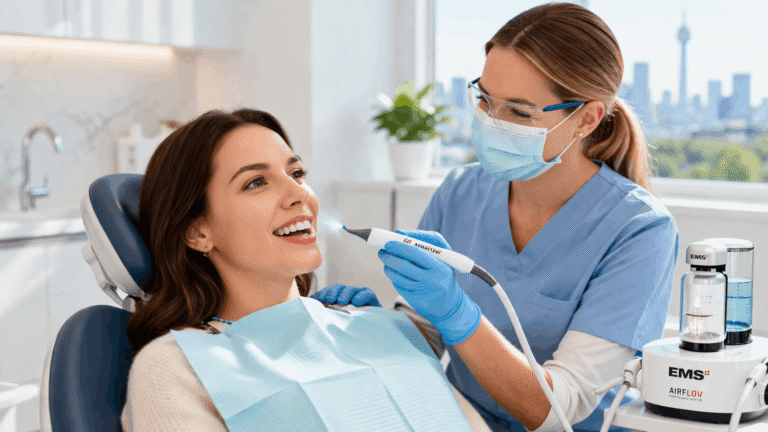


You’re here because you understand that your oral health is more than just a bright smile. You’re likely weighing your options, exploring what truly goes into maintaining a healthy mouth, and perhaps even wondering if a routine dental visit is really worth the time and investment. At White Tooth Dental, we believe that informed patients make the best decisions for their health, and a comprehensive dental check-up and professional cleaning are the cornerstones of that proactive approach. This isn’t just about cleaning your teeth; it’s about a thorough evaluation of your entire oral system and a professional intervention that sets the stage for lifelong wellness. Think of it as your most important annual health assessment, specifically designed to protect your smile and, by extension, your overall well-being.
What can you expect from such a vital dental visit? Let’s demystify it together.
What Exactly is a Comprehensive Dental Check-up & Professional Cleaning?
While often grouped together, a dental check-up and a professional cleaning are two distinct, yet equally critical, components of your preventive dental care.
A dental check-up, led by your dentist, is a meticulous examination of your entire oral cavity.
This includes your teeth, gums, tongue, cheeks, and throat. The primary goals are early detection and prevention.
Your dentist uses this time to identify potential issues before they become serious, like tiny cavities, early signs of gum disease, or even more significant concerns such as oral cancer.
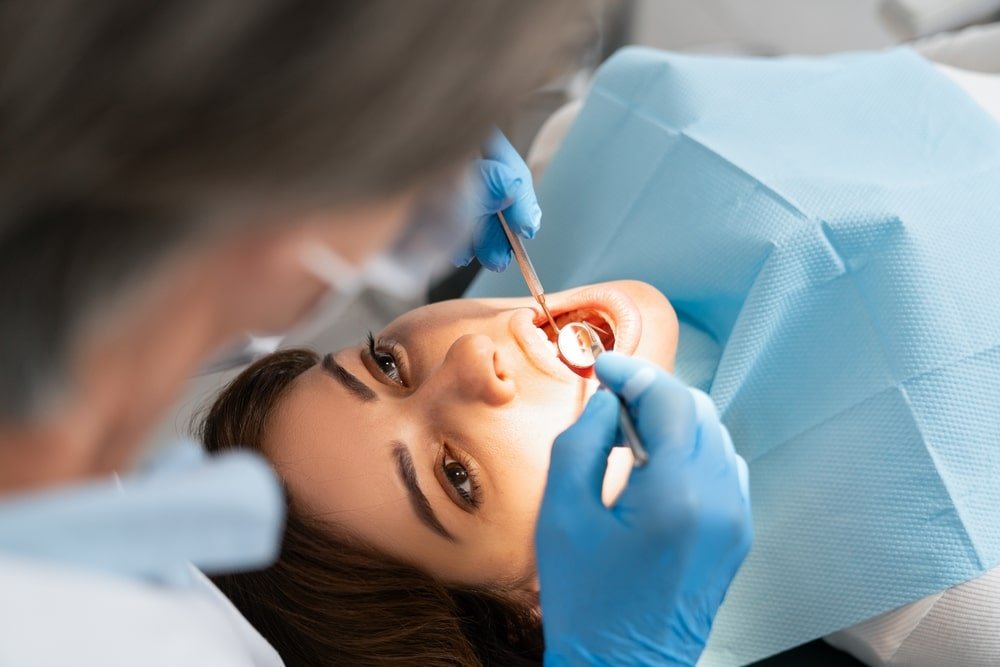
X-rays, when necessary, provide an invaluable look beneath the surface, revealing problems that aren’t visible to the naked eye.
A professional cleaning, performed by a skilled dental hygienist, goes far beyond what you can achieve with daily brushing and flossing.
Its purpose is to remove hardened plaque (tartar or calculus) that your toothbrush can’t reach, ensuring your teeth and gums are impeccably clean.
This procedure is fundamental in preventing cavities, gum inflammation (gingivitis), and more advanced gum disease (periodontitis).
Together, these two services form a powerful preventative shield, crucial for maintaining optimal oral health and avoiding more complex, costly treatments down the road.
The Crucial Steps of a Professional Cleaning: What to Expect
A typical routine dental cleaning takes between 45 minutes to an hour (Essex Family Dental, Upper Gage Dental Centre), and it’s a systematic process designed for thoroughness and your comfort.
Here’s a step-by-step look at what happens:
Step 1: Initial Oral Examination
Your dental hygienist will begin with a thorough examination of your mouth. They’re looking for any signs of gum inflammation, visible plaque or tartar buildup, and general oral health indicators.
This helps them tailor the cleaning process to your specific needs.
Step 2: Plaque and Tartar Removal (Scaling)
This is the core of the cleaning. Using specialized instruments, including advanced ultrasonic scalers, your hygienist meticulously removes plaque and hardened tartar from all surfaces of your teeth, both above and, critically, just below the gumline.
You might hear some scraping sounds, especially if you have significant buildup, but modern techniques and tools like ultrasonic scaling are often gentler than traditional manual scraping, using high-frequency vibrations to break down deposits.
We understand that discomfort is a common concern, and our team is trained to work gently and effectively, ensuring your comfort throughout the process.
Step 3: Polishing
After scaling, your teeth are polished using a special gritty toothpaste and a high-speed rotating brush.
This step removes any remaining surface stains and smooths the tooth surfaces, making it harder for plaque to adhere in the future.
It also leaves your teeth feeling wonderfully smooth and clean.
Step 4: Flossing
Even after polishing, your hygienist will thoroughly floss between your teeth. This removes any lingering plaque or polish grit from tight spaces and gives them a final, comprehensive clean.
Step 5: Rinsing
You’ll be asked to rinse your mouth with water or a fluoride solution to wash away any debris.
Step 6: Fluoride Treatment (Optional, but Recommended)
A fluoride application may be the final step. Fluoride helps to strengthen tooth enamel, making your teeth more resistant to decay. It’s particularly beneficial for protecting vulnerable areas and can significantly reduce the risk of cavities.
Types of Dental Cleanings: Finding Your Perfect Match
Not all dental cleanings are the same. The type of cleaning you need depends entirely on the current state of your oral health.
- Routine Cleaning (Prophylaxis): This is the most common type, recommended for individuals with generally healthy gums and minimal plaque buildup. It focuses on cleaning above the gumline and slightly below, preventing issues like cavities and gingivitis. This is the preventative measure we ideally want all our patients to maintain regularly.
- Gross Debridement: If you have a significant amount of plaque and tartar buildup that makes a thorough initial examination difficult, your hygienist might recommend a gross debridement. This initial cleaning removes heavy deposits to allow for a comprehensive diagnosis and, if needed, a more detailed follow-up cleaning.
- Deep Cleaning (Scaling & Root Planing): If your dentist diagnoses you with moderate to severe gum disease (periodontitis), a “deep cleaning” is necessary. This procedure goes deeper than a routine cleaning, specifically targeting plaque and tartar below the gumline, where harmful bacteria accumulate. It often involves local anesthesia to ensure your comfort and may require multiple visits. The goal is to halt the progression of gum disease, reduce inflammation, and allow your gums to heal. Learn more about how we handle advanced care through our Restorative Dentistry services.
- Periodontal Maintenance: For individuals who have undergone deep cleaning or gum therapy, periodontal maintenance appointments are crucial. These are more frequent, specialized cleanings designed to manage gum disease and prevent its recurrence. They are a vital part of long-term gum health management.
Your White Tooth Dental team will always conduct a thorough assessment and discuss which type of cleaning is most appropriate for your unique oral health needs, ensuring a personalized approach to your care.
The Unseen Dangers of Skipping Cleanings
It’s easy to postpone a dental visit, especially if you’re not experiencing any pain. However, neglecting routine check-ups and cleanings carries significant risks that extend far beyond your mouth.
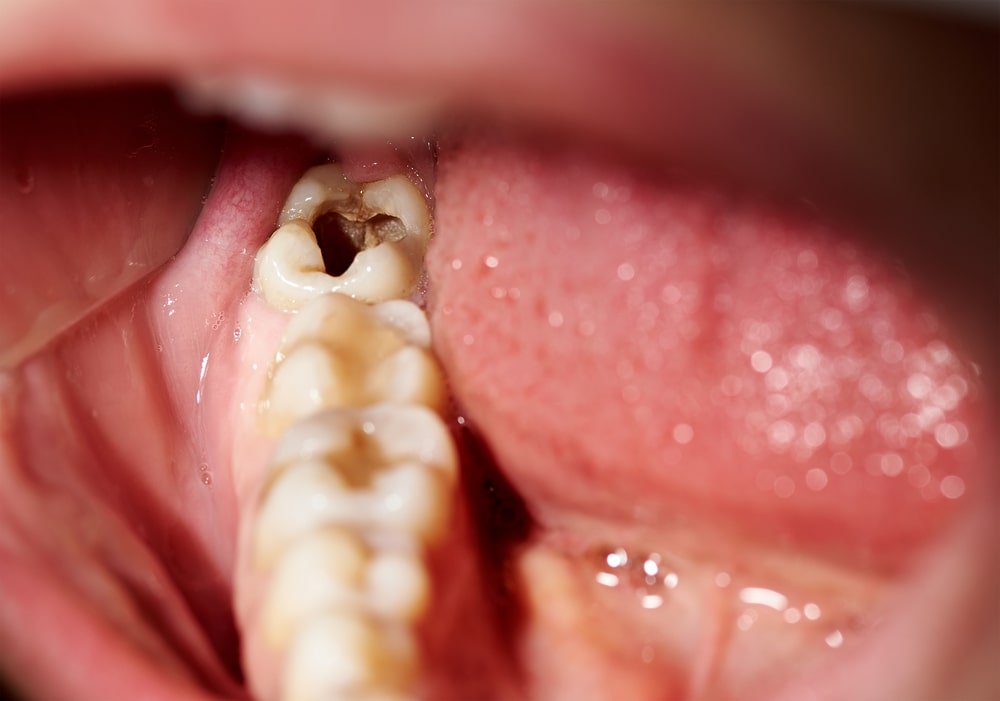
When plaque and tartar are left undisturbed, they create a breeding ground for bacteria, leading to:
- Cavities: Bacteria produce acids that erode tooth enamel, forming holes.
- Gum Disease: Initially, gingivitis (inflamed, bleeding gums) can progress to periodontitis, which can destroy the bone supporting your teeth, leading to tooth loss. Over one in four Canadians (26%) are affected by oral pain or avoid certain foods due to oral health problems (Statistics Canada, 2024), highlighting the widespread impact of preventable issues.
- Bad Breath (Halitosis): A common and embarrassing symptom of bacterial buildup.
- Tooth Discoloration: Stains from food, drinks, and tobacco become more embedded.
Crucially, the impact of poor oral hygiene isn’t limited to your mouth.
Leading health authorities like the Cleveland Clinic emphasize the profound connection between oral health and overall systemic health.
Untreated gum disease has been linked to serious conditions such as:
- Heart disease
- Stroke
- Diabetes complications
- Respiratory diseases
- Even certain types of dementia
Skipping routine care means missing the chance for early detection, allowing these issues to escalate and potentially affecting your entire body.
Demystifying Dental Pain: Modern Solutions for a Comfortable Clean
One of the most common reasons people avoid dental cleanings is the fear of pain or discomfort. Searches for “why does dental cleaning hurt so much” highlight this widespread anxiety.

We want you to know that your comfort is our priority at White Tooth Dental.
Discomfort during a cleaning is primarily due to:
- Plaque and Tartar Buildup: The more buildup you have, the more pressure is needed for removal, and the more sensitive your gums might be. This is why regular cleanings are actually less painful!
- Gum Inflammation: If your gums are already inflamed (gingivitis), they will be more sensitive.
- Tooth Sensitivity: Exposed tooth roots or thin enamel can increase sensitivity to temperature or pressure.
However, modern dentistry offers excellent solutions to make your experience comfortable:
- Topical Anesthetics/Numbing Gels: These can be applied to numb the gum tissue before cleaning, significantly reducing sensitivity.
- Ultrasonic Scaling: As mentioned, our advanced ultrasonic tools use vibrations to gently dislodge plaque and tartar, often resulting in less scraping and less discomfort compared to traditional manual tools.
- Open Communication: Our compassionate team encourages you to communicate any discomfort immediately. We can adjust our techniques, take breaks, or apply more numbing gel to ensure you’re at ease.
- Sedation Options: For patients with significant dental anxiety, we offer safe and effective Sedation Dentistry options to help you relax completely during your appointment.
At White Tooth Dental, we believe a comfortable experience is key to consistent preventive care.
Investing in Your Smile: Understanding Dental Cleaning Costs & Value
Understanding the cost of a dental cleaning is naturally a key part of your decision-making process.
While specific pricing can vary based on the type of cleaning needed, the severity of buildup, and any additional procedures like X-rays or fluoride treatments, a routine dental cleaning (prophylaxis) typically falls within the CAD $150-$300 range. A “deep cleaning” (scaling and root planing) is more extensive and often ranges from $300-$500+ per session, potentially requiring multiple sessions.
It’s important to look beyond the immediate cost and consider the profound long-term value and return on investment (ROI) of preventive dental care.
Many Canadians, roughly 36.4%, do not have dental insurance (PMC NCBI, 2023), making upfront costs a real consideration. However, think about this:
- The Cost of Neglect: A single filling for a neglected cavity can cost anywhere from $150-$400. A root canal, followed by a crown, can easily cost $1,500-$3,000 or more. A tooth extraction and subsequent implant can range from $3,000-$6,000.
- Prevention is Priceless (and Cheaper): The cost of one or two routine cleanings a year is significantly less than the cost of treating multiple cavities, advanced gum disease, or needing tooth extractions and replacements. Regular preventive care helps you avoid painful, invasive, and far more expensive restorative treatments.
- Overall Health Savings: Beyond dental procedures, remember the link between oral health and systemic health. Preventing gum disease can reduce your risk of costly medical conditions like heart disease or diabetes complications. The value of good health and avoiding these broader medical expenses is immeasurable.
Investing in routine check-ups and cleanings is an investment in your smile, your comfort, and your financial well-being over the long run.
How Often is “Often Enough”? Personalized Cleaning Schedules
The general recommendation for most healthy adults is to have a comprehensive dental check-up and professional cleaning every six months.
This frequency allows your dental team to catch minor issues before they become major problems and keep plaque and tartar buildup to a minimum.
However, your oral health needs are unique.
For some individuals, more frequent visits—such as every three to four months—are highly recommended.
This might be the case if you have:
- A history of gum disease (gingivitis or periodontitis)
- Frequent cavities
- Diabetes or other systemic health conditions that impact oral health
- A weakened immune system
- Are a smoker
- Poor home oral hygiene habits
- Undergoing orthodontic treatment (braces make cleaning more challenging)
At White Tooth Dental, we emphasize a personalized approach.
After your initial assessment, your dentist and hygienist will recommend a cleaning schedule tailored specifically to your risk factors and oral health status, ensuring you receive the optimal level of preventive care.
This commitment to personalized care is a cornerstone of our General Services philosophy.
The Future is Here: Advanced Dental Cleaning Technologies
At White Tooth Dental, we are committed to integrating modern dental technologies to enhance your experience, precision, and comfort. We go beyond traditional manual scaling to offer:
- Ultrasonic Scaling: As mentioned, this technology uses high-frequency sound waves and water to gently yet effectively break down and wash away plaque and tartar. It’s often more comfortable and efficient than manual scraping, especially for heavier buildup (Perplexity AI, Solis.dental).=
- Air Polishing: This technique uses a fine spray of air, water, and specialized powder to remove stains and biofilm from tooth surfaces, even in hard-to-reach areas. It’s excellent for stain removal and leaves teeth feeling incredibly smooth and clean.
- Digital X-rays & 3D Imaging: While not directly for cleaning, these advanced diagnostic tools are integral to your check-up.
They provide highly detailed images with significantly reduced radiation exposure, allowing for earlier and more accurate detection of issues like cavities, bone loss, or impacted teeth.
These technologies aren’t just fancy gadgets; they translate directly into a more precise, efficient, and comfortable experience for you, demonstrating our commitment to cutting-edge patient care.
Your Role in Lifelong Oral Health: At-Home Care & Beyond
Professional check-ups and cleanings are indispensable, but they work hand-in-hand with your daily efforts at home.
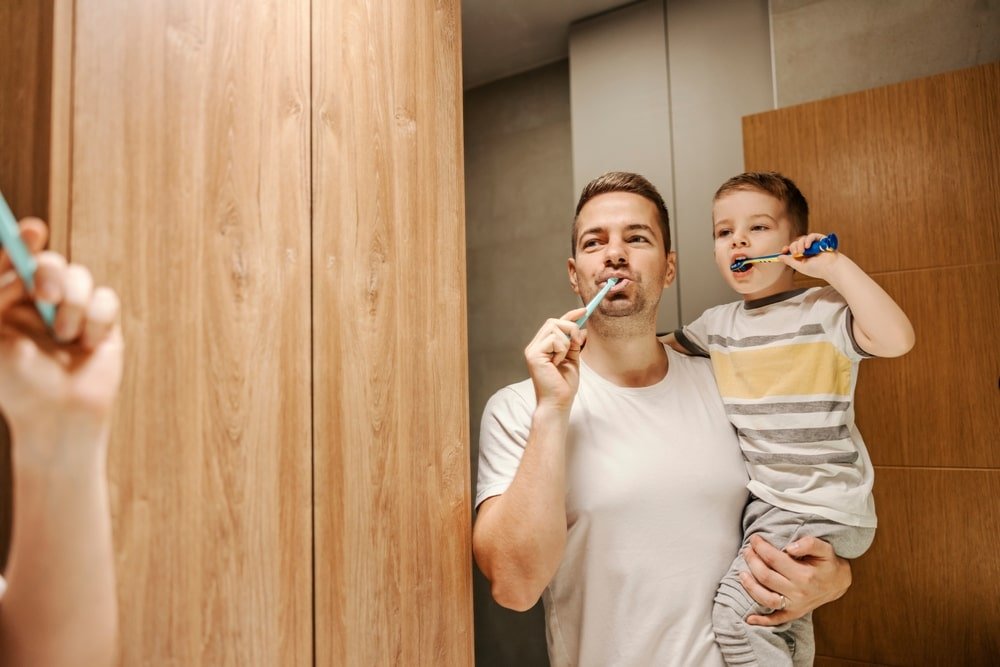
Your commitment to a consistent oral hygiene routine significantly impacts the effectiveness and comfort of your professional cleanings.
Remember these daily habits:
- Brush Twice Daily: Use a fluoride toothpaste and brush for at least two minutes, covering all surfaces of your teeth and gently brushing your tongue.
- Floss Daily: Flossing removes plaque and food particles from between your teeth and under the gumline, areas your toothbrush can’t reach.
- Consider Additional Tools: Mouthwash, interdental brushes, or water flossers can complement brushing and flossing, especially if you have braces, bridges, or wider gaps between teeth.
- Healthy Diet: Limit sugary and acidic foods and drinks that contribute to tooth decay.
Consistent home care means less plaque and tartar buildup, which translates to quicker, more comfortable professional cleanings and a lower risk of developing dental problems.
It’s a partnership between you and our team, ensuring your best smile for years to come.
Ready for Your Healthier Smile?
A comprehensive dental check-up and professional cleaning at White Tooth Dental is more than just an appointment; it’s a proactive investment in your health, your comfort, and your confidence.
Our team, led by Dr. Kristina Pahuta, is dedicated to providing personalized, compassionate care that integrates seamlessly with your overall well-being.
Don’t let questions about pain, cost, or process hold you back from achieving optimal oral health. We’re here to answer every question and guide you through a comfortable, informative experience.
Whether you’re due for a routine visit or have specific concerns about your oral health, we invite you to take the next step.
Frequently Asked Questions
Q1: How long does a routine dental cleaning take?
A routine dental cleaning (prophylaxis) typically takes between 45 minutes to an hour. This duration allows for a thorough plaque and tartar removal, polishing, and a comprehensive examination.
Q2: Is dental cleaning painful?
For most people with good oral hygiene, routine cleanings are not painful, though you might feel some pressure or minor sensations. Any discomfort is primarily due to existing plaque/tartar buildup or gum inflammation. At White Tooth Dental, we use modern techniques like ultrasonic scaling and offer topical anesthetics and Sedation Dentistry options to ensure your comfort.
Q3: Why do I need X-rays during a check-up?
X-rays are a vital diagnostic tool that allows your dentist to see issues not visible during a visual exam, such as cavities between teeth, bone loss due to gum disease, cysts, abscesses, or impacted teeth. Digital X-rays used today significantly reduce radiation exposure.
Q4: How often should I get my teeth cleaned?
The general recommendation is every six months. However, your dentist might recommend more frequent cleanings (every 3-4 months) if you have a history of gum disease, frequent cavities, specific health conditions like diabetes, or poor home oral hygiene. Your cleaning schedule will be personalized to your needs.
Q5: What’s the difference between a regular cleaning and a deep cleaning?
A regular cleaning (prophylaxis) is for healthy mouths, focusing on removing plaque/tartar above and just below the gumline. A deep cleaning (scaling and root planing) is for gum disease, addressing plaque/tartar much deeper below the gumline and smoothing root surfaces to promote healing. Deep cleanings often involve local anesthesia and may require multiple visits.
Q6: Can dental cleanings help with bad breath?
Yes, absolutely! Most cases of chronic bad breath (halitosis) are caused by bacteria and food particles accumulating on your teeth, gums, and tongue. A professional cleaning removes the plaque and tartar that harbor these bacteria, significantly improving your breath.
Q7: What if I have dental anxiety?
It’s completely normal to feel anxious about dental visits. At White Tooth Dental, we prioritize your comfort. We offer a compassionate and understanding environment, topical anesthetics, and Sedation Dentistry options to help you relax and have a positive experience. Please let us know about your concerns when you book your appointment.
Q8: What if I need more than just a cleaning?
During your check-up, if your dentist identifies issues like cavities, signs of gum disease, or other concerns, they will discuss a personalized treatment plan with you. This might involve Restorative Dentistry for fillings or crowns, or other specialized care. Our comprehensive approach ensures all your dental needs are addressed.
Q9: Do you offer cosmetic dentistry services too?
Yes, beyond maintaining optimal oral health, we also offer a range of Cosmetic Dentistry services designed to enhance the aesthetics of your smile, including teeth whitening, veneers, and smile makeovers.
Ready to prioritize your oral health?
Contact White Tooth Dental today to schedule your comprehensive dental check-up and professional cleaning. Your healthier, happier smile awaits!