
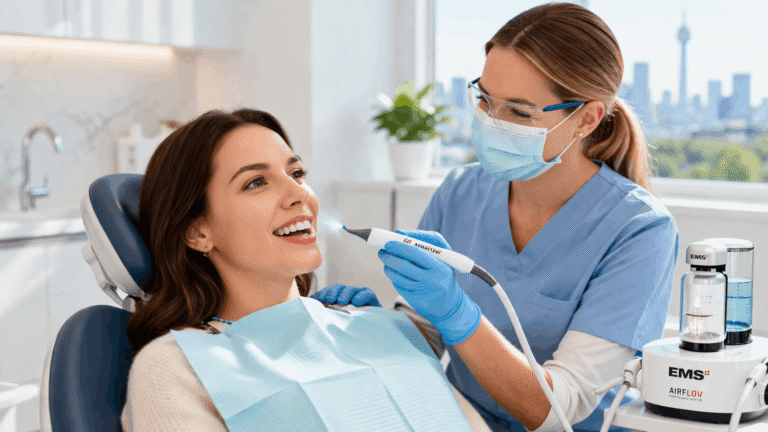


For many, the thought of a dental visit brings with it a familiar knot of anxiety. Perhaps it’s a memory of a past discomfort, the apprehension of the unknown, or simply the feeling of vulnerability in the dental chair. If you’re currently evaluating dental practices, seeking a team that not only addresses your oral health needs but also genuinely understands and alleviates your fears, you’re looking for more than just a dentist. You’re looking for a partner in your health journey, someone who speaks “the language of care.” At White Tooth Dental in Toronto, led by Dr. Kristina Pahuta, we recognize that true dental care extends far beyond clinical excellence. It’s built on a foundation of trust, empathy, and clear, compassionate communication.
We know you’re comparing solutions, and we believe our distinct approach to human-centric care is the definitive difference you’ve been searching for.
Understanding Dental Anxiety: More Common Than You Think
It’s perfectly normal to feel a degree of apprehension about dental procedures.

In fact, studies show that approximately 10-20% of adults experience high dental anxiety, with 3-8% suffering from clinical dental phobia.
This isn’t just a fleeting discomfort; it’s a significant barrier that often leads to avoidance of necessary care, worsening oral health over time.
Common triggers for dental anxiety include:
- Fear of pain: Needles, drills, or the procedure itself.
- Loss of control: Feeling helpless in the dental chair.
- Past traumatic experiences: Negative encounters that linger.
- Embarrassment or judgment: Worrying about the condition of one’s teeth.
- The unknown: Not understanding what will happen next.
We understand these fears aren’t trivial. They’re deeply personal, and they require a response that is equally personal and profound.
The White Tooth Dental Difference: Our Compassionate Communication Pillars
Our philosophy, “The Language of Care,” is a deliberate, multi-faceted approach designed to transform your dental visit from one of apprehension to one of comfort and confidence.
It’s not just about being “gentle”; it’s about a systematic application of empathetic communication techniques proven to reduce anxiety and build lasting trust.
1. Active Listening and Empathetic Inquiry
Before any instrument comes close, we take the time to truly listen. This isn’t just a courtesy; it’s a critical diagnostic tool. We encourage you to share your concerns, past experiences, and anxieties without judgment.
Our team is trained to ask open-ended questions and observe non-verbal cues, allowing us to deeply understand your unique needs and fears. Validating your feelings—letting you know, “It’s okay to feel this way”—is paramount.
For example, if a patient expresses a fear of the drill, we don’t dismiss it.
We listen, acknowledge that fear, and then calmly discuss how we can mitigate it through various comfort measures and communication signals.
This initial empathetic connection is crucial, as effective communication from dentists is significantly associated with reduced anxiety and increased trust.
2. Explaining Complex Procedures with Clarity and Simplicity
The unknown fuels anxiety. We believe in empowering our patients through knowledge.
Our team excels at breaking down complex dental jargon into understandable terms, ensuring you fully grasp every aspect of your treatment plan.
We use visual aids, such as digital models and intraoral camera footage, to illustrate what’s happening in your mouth and why a particular treatment is necessary.
This commitment to clarity is embedded in our “Tell-Show-Do” method. We tell you what we’re going to do, show you the instruments or techniques, and then do the procedure, always with your informed consent and comfort as our guide.
This systematic approach alleviates the fear of the unknown, giving you a sense of control over your care.
3. Addressing Patient Fears Verbally and Non-Verbally
Directly asking, “What are your concerns today?” allows us to immediately address specific anxieties.

During treatment, we establish a “stop signal”—a simple hand raise—that allows you to pause the procedure at any time, giving you ultimate control and reducing vulnerability.
Beyond verbal reassurance, our communication extends to non-verbal cues:
- Calming Tone of Voice: A soothing voice helps to regulate your emotional state.
- Gentle Touch: Every interaction is performed with the utmost care and lightness.
- Open Posture: Our team maintains an open, approachable demeanor, signaling receptiveness and trustworthiness.
- Comfort Amenities: We integrate amenities like soft blankets, relaxing music, and aromatherapy into your experience, all chosen to complement our communicative approach and create a calming environment. For those needing additional support, we also offer sedation dentistry options designed to alleviate anxiety and ensure comfort during procedures.
This holistic approach recognizes that every sensory input contributes to your overall comfort.
4. Building Rapport and Sustaining Trust
Compassionate communication isn’t a one-time event; it’s an ongoing dialogue that fosters a long-term relationship.
We make an effort to remember personalized details, ensuring each visit feels familiar and caring.
Our flexible scheduling and comprehensive services are designed to fit your life, not the other way around.
Even after your visit, our commitment to care continues with follow-up communication—a call or text to check in and ensure your comfort.
This sustained rapport is how we build enduring trust, making White Tooth Dental a place where you feel genuinely cared for, not just treated.
We invite you to experience this difference firsthand.
The Science of Comfort: Why Compassion Works
Our “Language of Care” isn’t just anecdotal; it’s rooted in the growing understanding of the human brain.

The neuroscience of compassion reveals that empathetic interactions activate specific brain regions, such as the anterior cingulate cortex and the temporo-parietal junction, which are linked to empathy, emotional regulation, and social cognition.
When you feel understood and cared for, your brain responds by reducing the “fight or flight” response triggered by anxiety and instead fosters feelings of safety and connection.
Compassion training can even enhance neuroplasticity, benefiting both practitioners and patients by building resilience and reducing stress.
This scientific backing reinforces why our human-centric approach is so effective in transforming the dental experience.
Your Journey to a Relaxed Smile: What to Expect at White Tooth Dental
From your very first contact with White Tooth Dental, you’ll experience our commitment to compassionate communication:
- Initial Inquiry: Whether you call or reach out online, our team will listen to your needs, answer your questions, and address any initial concerns, setting a tone of understanding and support.
- Your First Appointment: Beyond routine checks, this visit is an opportunity for a detailed conversation. We’ll give you a tour of our inviting office, discuss your oral health goals, and address any anxieties without pressure. Our team, led by Dr. Pahuta, is dedicated to building strong, trusting relationships, ensuring your dental visits are a comfortable and personalized experience. We welcome new patients seeking general services or exploring options in cosmetic dentistry and restorative treatments.
- During Treatment: We maintain an open dialogue, constantly checking in on your comfort. Remember, your stop signal is always respected. For anxiety-inducing procedures like oral surgery (which 58.7% of patients find most anxious) or restorative treatments (15.2% find anxious), our communication becomes even more critical, providing constant reassurance and control.
- Post-Treatment Care: We follow up to ensure your well-being, answer any lingering questions, and plan for your continued oral health journey.
Hear From Our Patients: Stories of Transformed Experiences
The most powerful testament to our “Language of Care” comes directly from those who have experienced it.
Our patients consistently highlight how our team’s communication and gentle approach made a tangible difference, helping them overcome long-standing fears and embrace better oral health.
“I used to dread dental visits, but White Tooth Dental changed that. They explained everything so clearly and patiently, and I finally felt like I was in control. My anxiety is so much lower now!“
– A Toronto Patient
Dr. Pahuta and her team are amazing listeners.
They genuinely care about how you feel. I finally found a dentist who understands my fear of needles and works with me every step of the way.
– Transformed Patient Review
Choose White Tooth Dental: Experience the Language of Care
When you choose White Tooth Dental, you’re not just selecting a dental practice; you’re choosing a partner dedicated to your holistic well-being.
We combine clinical excellence with a profound commitment to compassionate communication, ensuring your comfort, building your trust, and empowering you to take control of your oral health.
Experience the difference that truly listening, clearly explaining, and deeply caring can make.
Ready to transform your dental experience?
- Schedule Your Gentle Consultation
Frequently Asked Questions About Compassionate Communication in Dentistry
Q1: What makes White Tooth Dental’s communication approach different from other dentists?
Our approach, “The Language of Care,” is a deliberate, research-backed methodology. While many practices may say they are “gentle,” we actively train our team in specific communication techniques like active listening, the “Tell-Show-Do” method, establishing clear stop signals, and integrating neuroscience-informed empathy. We prioritize understanding and validating your fears before, during, and after your visit, ensuring a consistently comfortable experience.
Q2: How do you handle patients with severe dental anxiety or phobia?
We begin by acknowledging and validating your anxiety. Our compassionate communication allows us to identify your specific triggers. We then develop a personalized plan that may include extended discussion time, step-by-step explanations, distraction techniques, and, when appropriate, various sedation dentistry options (such as nitrous oxide or oral sedation) to help you relax and feel comfortable during your treatment. Our goal is to empower you to gradually overcome your fears.
Q3: How do you ensure I understand complex procedures without using jargon?
We use clear, simple language and avoid technical terms wherever possible. When necessary, we explain dental terms in easy-to-understand ways. We also use visual aids like digital X-rays, intraoral camera images, and 3D models to show you exactly what’s happening and what the proposed treatment involves. We encourage you to ask as many questions as you need until you feel fully confident and informed.
Q4: Can I bring someone with me for support during my appointment?
Yes, you are welcome to bring a trusted family member or friend with you to your appointment for support. We understand that having a familiar presence can significantly help reduce anxiety for some patients, and we’re committed to making your visit as comfortable as possible.
Q5: What if I need to stop during a procedure?
You are always in control. Before any procedure begins, we will establish a clear “stop signal” (often a simple hand raise). If you feel any discomfort, need a break, or have a question, simply use your signal, and we will immediately pause to address your needs. Your comfort and safety are our top priorities.