
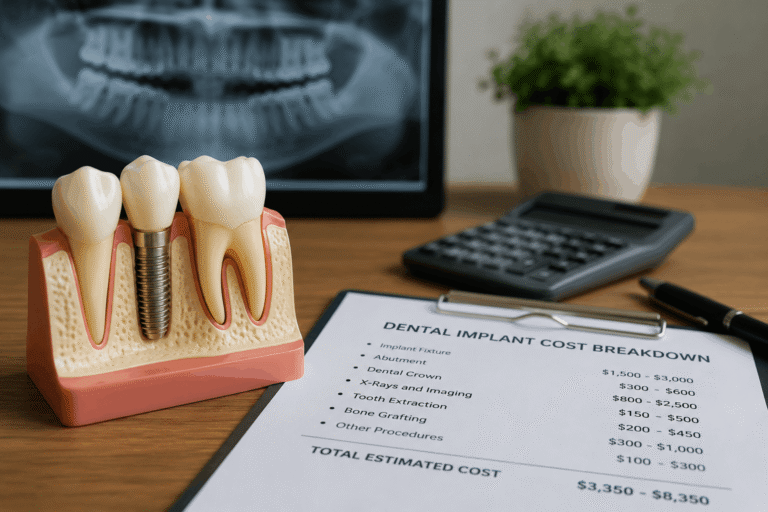

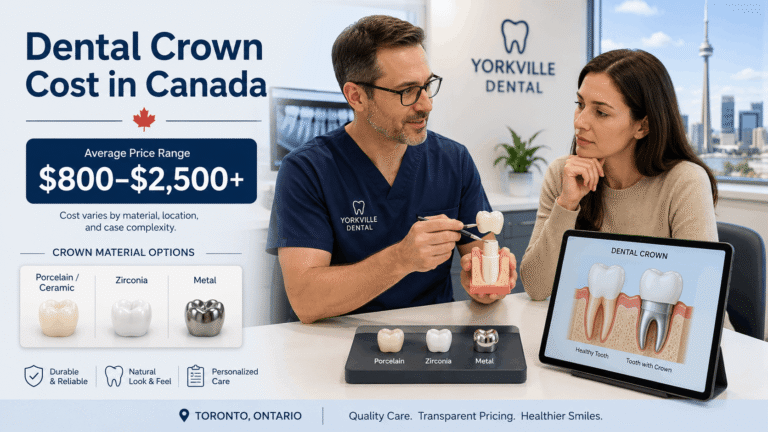
You’re already brushing, flossing, and attending your regular cleanings—that’s fantastic! But if you’re like many of our patients, you might be wondering: “What else can I do to truly safeguard my smile and avoid more serious dental issues down the road?” At White Tooth Dental, we understand that proactive health is paramount. It’s not just about fixing problems when they arise; it’s about equipping you and your family with the most effective defenses against decay, damage, and discomfort. This means looking beyond basic hygiene to a spectrum of advanced preventive dental treatments designed to offer enhanced, long-term protection.
As you evaluate your options for comprehensive dental care, consider this your authoritative guide to making informed decisions for lasting oral well-being.
The Pillars of Proactive Dental Care: Beyond the Basics
Advanced preventive care isn’t just an add-on; it’s a strategic investment in your health.
Consider this: adults who engage in preventive dental visits consistently incur lower overall dental expenditures compared to those who don’t.
Studies show this can amount to savings of $29.12 to $70.12 in non-preventive and total dental costs, respectively (Medicaid.gov, NIH).
This isn’t just about saving money; it’s about preventing pain, inconvenience, and the need for more invasive procedures.
Let’s explore the key treatments that form the bedrock of this proactive approach.
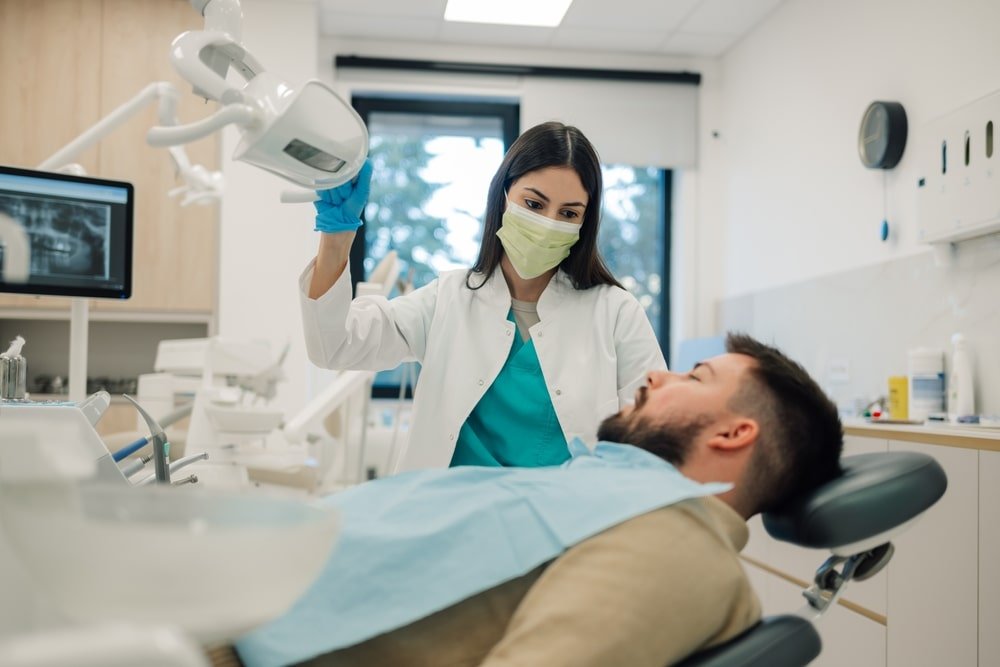
Dental Sealants: Your Tooth’s Invisible Shield
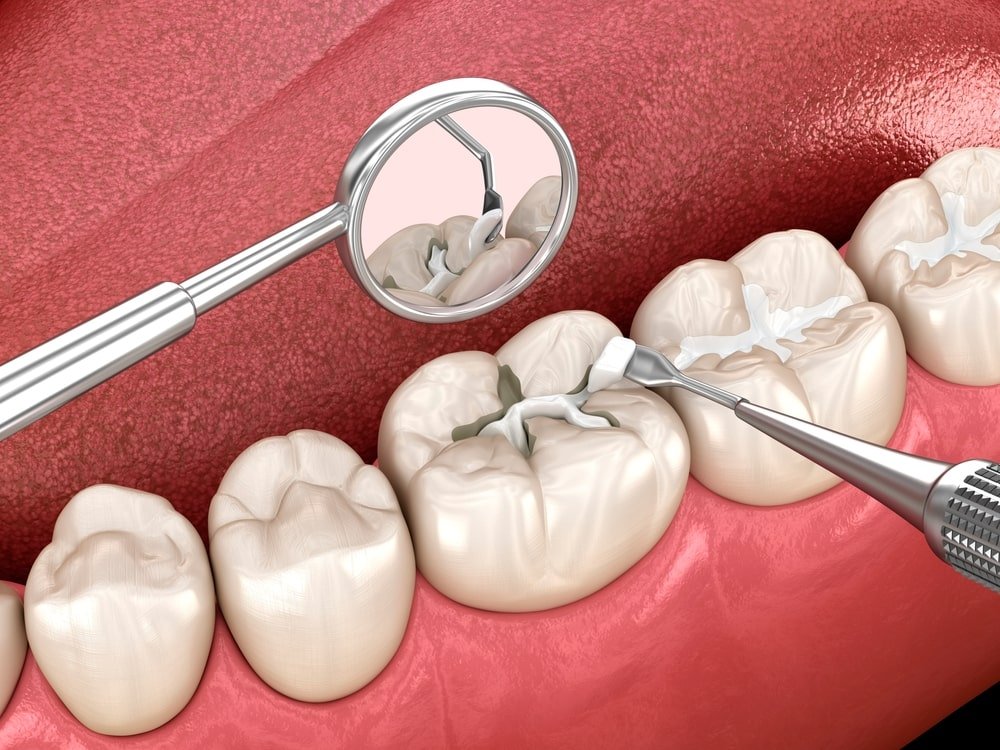
Imagine a raincoat for your teeth—that’s essentially what dental sealants are.
These thin, protective coatings are applied to the chewing surfaces of your back teeth (molars and premolars), where deep grooves and pits often trap food particles and bacteria that brushing can miss.
What They Are and How They Work
Sealants are typically made from a clear or tooth-colored resin material.
The application is quick and painless:
- Cleaning: The tooth surface is thoroughly cleaned.
- Etching: A mild acid solution is applied to create a micro-rough surface, helping the sealant bond securely.
- Rinsing & Drying: The tooth is rinsed and completely dried.
- Application: The liquid sealant is painted onto the tooth enamel.
- Curing: A special light is used to harden and bond the sealant, creating a durable protective barrier.
The Unquestionable Benefits
The effectiveness of dental sealants is remarkable.
According to the Centers for Disease Control and Prevention (CDC), sealants can prevent up to 80% of cavities for two years and 50% for up to four years when applied to newly erupted molars.
Children aged 6-11 without sealants are almost three times more likely to have cavities in their molars (CDC.gov). This isn’t just a child-focused benefit; adults with deep grooves or a history of decay can also benefit immensely.
Addressing Common Concerns: Dispelling Myths
One common concern revolves around the safety of sealant materials, specifically regarding BPA (Bisphenol A).
The American Dental Association (ADA) confirms that the trace amounts of BPA potentially released from sealants are significantly lower than what a person is exposed to through diet or environment.
Our priority is always your safety and peace of mind, and we use only tested, approved materials.
Who Needs Them?
- Children & Teens: Ideal for newly erupted permanent molars, typically between ages 6 and 14.
- Adults: Beneficial for individuals with deep fissures, early signs of decay, or a history of cavities, even in adulthood.
Professional Fluoride Treatments: Boosting Your Enamel’s Defense
Fluoride is a naturally occurring mineral that plays a crucial role in preventing tooth decay.
While you get some fluoride from tap water and toothpaste, professional fluoride treatments provide a concentrated dose that significantly strengthens your tooth enamel and makes it more resistant to acid attacks from bacteria and sugars.
What They Are and How They Work
Professional fluoride treatments involve applying a high-concentration fluoride varnish, gel, or foam directly to your teeth.
This process takes only a few minutes. Fluoride works by:
- Remineralization: It helps repair and rebuild enamel that has been weakened by acids, even reversing early decay before a cavity fully forms.
- Demineralization Inhibition: It makes the tooth surface less susceptible to demineralization, the process where acids dissolve tooth enamel.
- Bacterial Inhibition: It can even disrupt the acid-producing activity of bacteria in plaque.
The Potent Benefits
Regular professional fluoride treatments can reduce cavity risk by approximately 25%.
This is a vital tool in maintaining robust oral health, especially for those at higher risk of decay.
Addressing Common Concerns: Safety and Dosage
Concerns about fluoride toxicity are often exaggerated.
Professional fluoride treatments use carefully controlled concentrations and application methods to ensure safety and efficacy.
- For children, careful dosage prevents fluorosis, a cosmetic condition causing white spots on teeth, primarily from excessive fluoride intake during tooth development.
- For adults, fluoride treatments are exceptionally safe and beneficial, particularly if you have a high cavity rate, dry mouth, or receding gums.
Who Benefits?
Children & Adolescents: Especially important during the years of tooth development and eruption.
Adults: Highly recommended for individuals with:
- Frequent cavities.
- Gum recession exposing tooth roots.
- Dry mouth (xerostomia), often caused by medications or medical conditions.
- Orthodontic appliances.
- Sensitive teeth.
Custom Mouthguards: Tailored Protection for Every Lifestyle
Beyond preventing decay, proactive dental care also means protecting your teeth from physical trauma and unconscious habits.
Custom-fitted mouthguards offer superior protection compared to over-the-counter options, which often provide inadequate fit and comfort.
Why Custom is Critical
A custom mouthguard made by your dentist fits snugly and precisely over your teeth. This ensures:
- Superior Protection: Optimal cushioning and force distribution in case of impact or grinding.
- Enhanced Comfort: A secure fit means it stays in place, doesn’t interfere with breathing or speaking, and is comfortable to wear for extended periods.
- Durability: Made from high-quality, durable materials designed to last.
A. Sports Mouthguards: Shielding Your Smile During Play
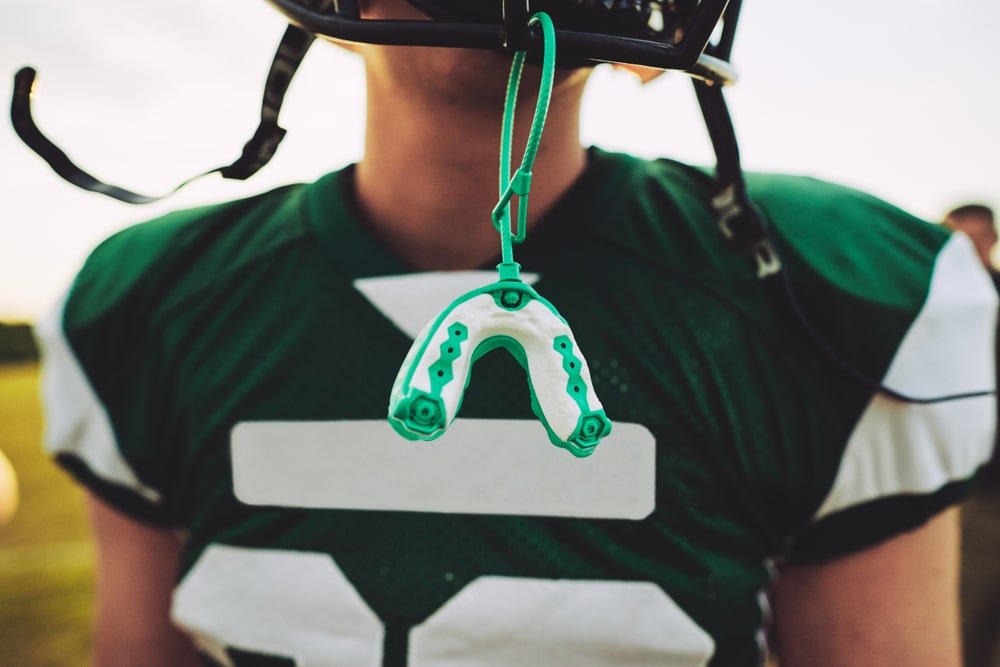
If you or your child participate in contact sports—or even non-contact sports with a risk of falls or impacts, like skateboarding or gymnastics—a custom sports mouthguard is indispensable.
What They Protect Against:
- Tooth Fractures & Dislodgement: Absorbing impact that could otherwise chip, break, or knock out teeth.
- Soft Tissue Injuries: Protecting lips, cheeks, and tongue from being cut by teeth.
- Jaw & Concussion Protection: While not a guaranteed concussion prevention, a properly fitted mouthguard can help stabilize the jaw and potentially reduce the severity of concussions in some instances.
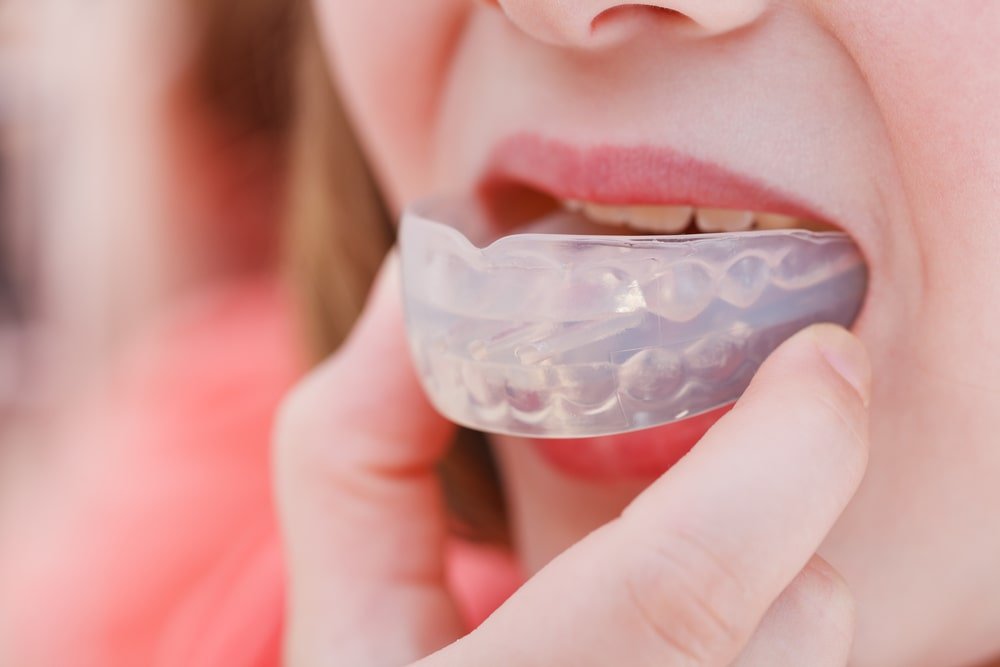
B. Night Guards (for Bruxism): Preventing Unconscious Damage
Bruxism, or teeth grinding and clenching, often occurs unconsciously while you sleep.
Left untreated, it can lead to serious dental problems.
Symptoms of Bruxism:
- Worn-down tooth enamel.
- Chipped or fractured teeth.
- Jaw pain, stiffness, or clicking (TMJ issues).
- Headaches, especially in the morning.
- Increased tooth sensitivity.
A custom night guard creates a protective barrier between your upper and lower teeth, absorbing the forces of grinding and clenching, thereby preventing wear, fractures, and associated jaw pain.
Clear Comparison: Sports vs. Night Guards
While both are “mouthguards,” their purposes and designs differ significantly:
| Feature | Sports Mouthguard | Nightguard (Bruxism) |
| Primary Purpose | Protect against impact, blows, and physical trauma | Protect against teeth grinding and clenching |
| Thickness | Thicker, more cushioning for impact absorption | Thinner, designed for comfort during sleep and pressure absorption |
| Material | Softer, shock-absorbent materials | Firmer, more rigid materials to withstand grinding forces |
| Fit | Snug, often covers upper teeth, allows speaking | Snug, typically covers upper or lower teeth, less bulky |
| When to Wear | During sports practice and games | While sleeping, or during periods of stress/clenching |
The Synergistic Approach: Combining Treatments for Maximum Protection
At White Tooth Dental, we believe in a holistic approach to your oral health.
This means understanding how advanced preventive treatments can work together seamlessly to provide the strongest defense. For instance:
Sealants & Fluoride:
While sealants protect the chewing surfaces, fluoride strengthens the entire tooth, especially smooth surfaces and exposed roots, offering a comprehensive shield against cavities.
- They complement each other, providing robust protection in different areas.
Mouthguards & General Care:
Preventing physical damage with a mouthguard means fewer dental emergencies and less need for costly restorative dentistry.
- This allows us to focus on your ongoing preventive needs, like routine check-ups and cleanings.
- Our team is always ready to assist with any emergency dental situations.
This integrated strategy ensures that every aspect of your oral health is covered, from microscopic bacterial attacks to significant physical impacts.
Choosing Your Proactive Path: A Decision-Making Framework
Deciding which advanced preventive treatments are right for you or your family involves a personalized assessment.
Here are some questions to consider, which we’ll discuss in detail during your consultation:
- Are you or your child at high risk for cavities? (Consider factors like diet, current hygiene habits, past cavity history, and even genetics.)
- Do you have deep grooves or pits on your back teeth? (These are prime candidates for sealants.)
- Do you clench or grind your teeth, especially at night? (Look for jaw pain, headaches, or worn teeth.)
- Do you participate in contact sports or activities with a risk of facial impact?
No matter your answers, our experienced team, led by Dr. Kristina Pahuta, is here to provide personalized recommendations.
We’re committed to fostering strong relationships with our patients and making your dental visits a comfortable, personalized experience. Discover more about our approach to patient-centric care.
Investment in Your Smile: Cost-Effectiveness & Long-Term Value
While the immediate cost of a preventive treatment might seem like an expense, it’s a wise investment that pays dividends over time.
Consider the cost comparisons (average ranges in CAD):
- Dental Sealant: Approximately $30-$100 per tooth.
- Professional Fluoride Treatment: Often covered by insurance or a small fee, typically around $25-$50.
- Custom Mouthguard: Ranges from $200-$1100, depending on the type (sports vs. night guard) and complexity.
Now, compare that to the reactive treatments you might need if prevention fails:
- Simple Filling: $150-$350.
- Crown: $900-$2,000+.
- Root Canal: $700-$2,000+.
- Emergency Dental Visit for a fractured tooth: Can be hundreds, plus the cost of the repair.
As you can see, the upfront investment in preventive care is significantly less than the cost of addressing problems once they become severe.
Most dental insurance plans prioritize and provide good coverage for preventive treatments, recognizing their long-term value. This reduces your out-of-pocket expenses even further.
The Future of Prevention: What’s Next in Proactive Dental Care?
The field of dentistry is constantly evolving, with exciting advancements on the horizon that will make preventive care even more precise and personalized.
We’re talking about innovations like AI-powered diagnostics that can detect issues far earlier, personalized preventive care plans based on your unique genetic profile and lifestyle, and new bioactive materials that actively strengthen teeth.
At White Tooth Dental, we stay at the forefront of these developments, ensuring that our patients benefit from the most effective and innovative approaches.
While these future technologies will enhance preventive efforts, the foundational advanced treatments we offer today remain critical and are designed to seamlessly integrate with future advancements.
Conclusion: Your Partner in Lifelong Oral Health
Choosing White Tooth Dental means partnering with a team dedicated to your holistic well-being.
Our commitment to advanced preventive care goes beyond simply treating symptoms; it’s about empowering you with the knowledge and treatments to maintain a healthy, vibrant smile for life.
By embracing advanced preventive measures like dental sealants, professional fluoride treatments, and custom mouthguards, you’re not just avoiding future dental problems—you’re investing in your comfort, confidence, and overall health.
Ready to explore how advanced preventive care can benefit you and your family?
We invite you to experience the compassionate, comprehensive dental care that sets White Tooth Dental apart. Book a consultation with us today to create your personalized preventive plan.
Frequently Asked Questions About Advanced Preventive Dental Treatments
Q1: Are dental sealants only for children?
While commonly applied to children’s newly erupted molars, dental sealants are also highly beneficial for adults who have deep grooves or pits in their teeth, or a history of cavities. If your tooth anatomy makes you susceptible to decay, a sealant can provide excellent protection regardless of age.
Q2: Is professional fluoride treatment safe? I’ve heard conflicting information.
Yes, professional fluoride treatments administered in a dental office are safe and highly effective. The fluoride concentration and application methods are carefully controlled by your dental professional. The minor risks associated with fluoride, such as fluorosis (cosmetic white spots), are primarily related to excessive ingestion during childhood tooth development, which is not a concern with professional topical applications. The benefits of cavity prevention far outweigh these minimal risks when properly administered.
Q3: How long do dental sealants last? Do they need reapplication?
Dental sealants typically last between 5 to 10 years, but their longevity can vary depending on oral hygiene, chewing habits, and the type of material used. During your regular check-ups, our team will inspect your sealants for wear or damage. If a sealant is chipped or partially lost, it can easily be repaired or replaced to ensure continuous protection.
Q4: Can a custom mouthguard really help with headaches or jaw pain?
Yes, if your headaches or jaw pain are caused by bruxism (teeth grinding or clenching), a custom night guard can be highly effective. By providing a cushion between your upper and lower teeth, it absorbs the intense forces generated during grinding, reducing muscle strain, protecting your teeth from wear, and alleviating associated symptoms like jaw discomfort and tension headaches.
Q5: Is advanced preventive care covered by dental insurance?
Many dental insurance plans provide significant coverage for preventive treatments like dental sealants and fluoride applications, as they recognize the long-term cost savings these treatments offer. Coverage for custom mouthguards (sports or night guards) varies more widely by plan. We recommend checking with your specific insurance provider, and our administrative team at White Tooth Dental is always happy to help you understand your benefits.